The adoption photo takes a second. Getting there takes about six months. When a dog comes out of a cruelty case, there’s a long, deliberate, expensive arc between the day of rescue and the day a family signs the paperwork, and almost nobody outside rescue ever sees it. We think donors deserve to. Rescue dog rehabilitation is where your money actually goes, so here’s the whole arc, phase by phase.
Every dog is different, and the timeline flexes. But the shape of the journey is remarkably consistent.
Weeks 1 and 2: stabilization
The first 48 hours are triage. Dogs from abuse and neglect cases typically arrive with several problems at once: malnutrition, dehydration, untreated wounds, dental damage, heartworm, parasites. The first stop is always a veterinary table, which is why our emergency veterinary partnerships matter more than any other relationship we have, and why donations fund medical care first. Nothing else in the arc can start until the body is out of crisis.
This phase is also intentionally quiet. A dog leaving trauma doesn’t need affection yet. It needs safety, food on a schedule, and the discovery that nothing bad happens here.
Months 1 and 2: the medical rebuild
Once stable, the longer treatments begin. Heartworm treatment alone runs two to three months and requires strict rest. Skin and coat recovery from mange or chronic filth takes weeks of baths and medication. Underweight dogs regain mass slowly and deliberately, because refeeding too fast is its own danger. Spay or neuter surgery, vaccinations, and dental work slot in as the dog can handle them.
Organizations like the ASPCA that specialize in cruelty-case recovery have documented what we see daily in rescue dog rehabilitation: physical healing and behavioral healing run on separate clocks, and the second one is slower.
Months 2 through 4: the behavioral phase
Foster homes often describe recovery in threes: three days to stop shutting down, three weeks to learn the household’s rhythm, three months to believe it’s real. For abuse cases, stretch that timeline and add supervision.
Three days to stop shutting down. Three weeks to learn the rhythm. Three months to believe it’s real.
This is the stage of rescue dog rehabilitation that takes real skill and patience. Hand-shyness gets unlearned one calm interaction at a time. Resource guarding, common in dogs that starved, gets managed and softened. Leashes, doorways, men in hats, raised voices: every trigger gets catalogued and slowly defused. Our fosters are the quiet heroes of this phase, which is why fostering is the single most valuable volunteer role we have. If you’ve got a calm home and some patience, get involved.
Months 4 through 6: becoming somebody’s dog
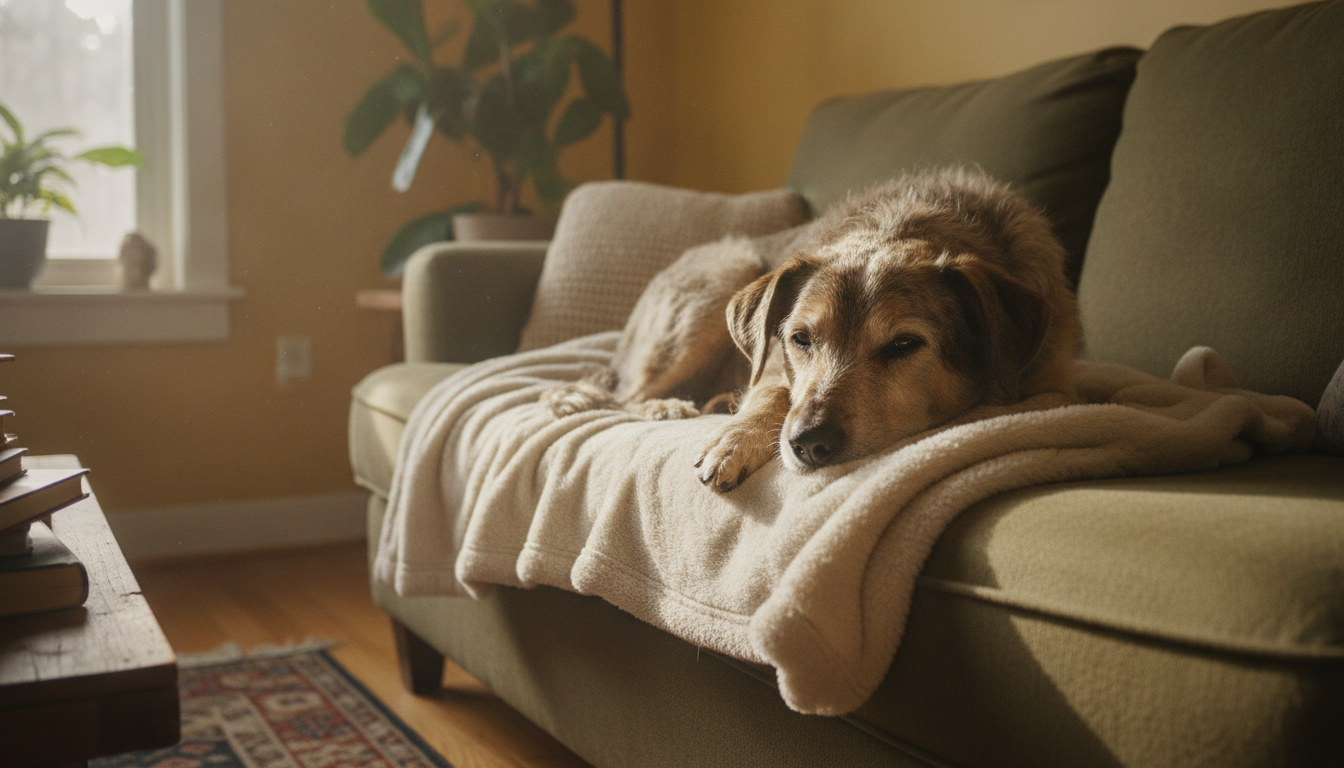
The last phase looks almost boring, and that’s the point. Car rides. Walks past strangers. Meeting respectful dogs. Learning that a couch is allowed. We evaluate honestly: what home does this dog need? Some graduates can go anywhere. Some need a home without kids, or a yard with real fencing, or an adopter who understands a scarred dog’s quirks. Matching honestly is how adoptions stick.
Then one day the dog that arrived on a control pole walks out on a loose leash with a family, and the six months collapse into one photo.
What rescue dog rehabilitation costs, and who pays
Six months of boarding or foster support, multiple rounds of veterinary care, medication, training, food, transport. We’ve published the true cost of saving an abused dog, and it’s consistently in the thousands per dog. Adoption fees cover a fraction. The rest is donors.
Here’s the part we want you to sit with: a monthly donor isn’t funding a moment of rescue. They’re funding an arc.
| Your month | What it buys in the arc |
|---|---|
| Month 1 | Stabilization: triage, emergency vet care, safety |
| Month 3 | The behavioral work: skilled fosters, training, trust |
| Month 6 | The fresh start: honest matching and a family |
That’s what Giving Them a Second Tail™ means in practice.
The adoption photo is the last frame of a six month story. Thank you for funding the five months and twenty nine days nobody photographs.