
The photos make rescue look like a moment. The truth is it’s a schedule. Animal rescue operations run on unglamorous, repeating work: feeding rounds, medication charts, phone triage, vet runs, paperwork, and the occasional day-wrecking emergency. We think the people who fund this work deserve to see what a day actually holds, so here it is, hour by hour.
Morning: rounds before anything else
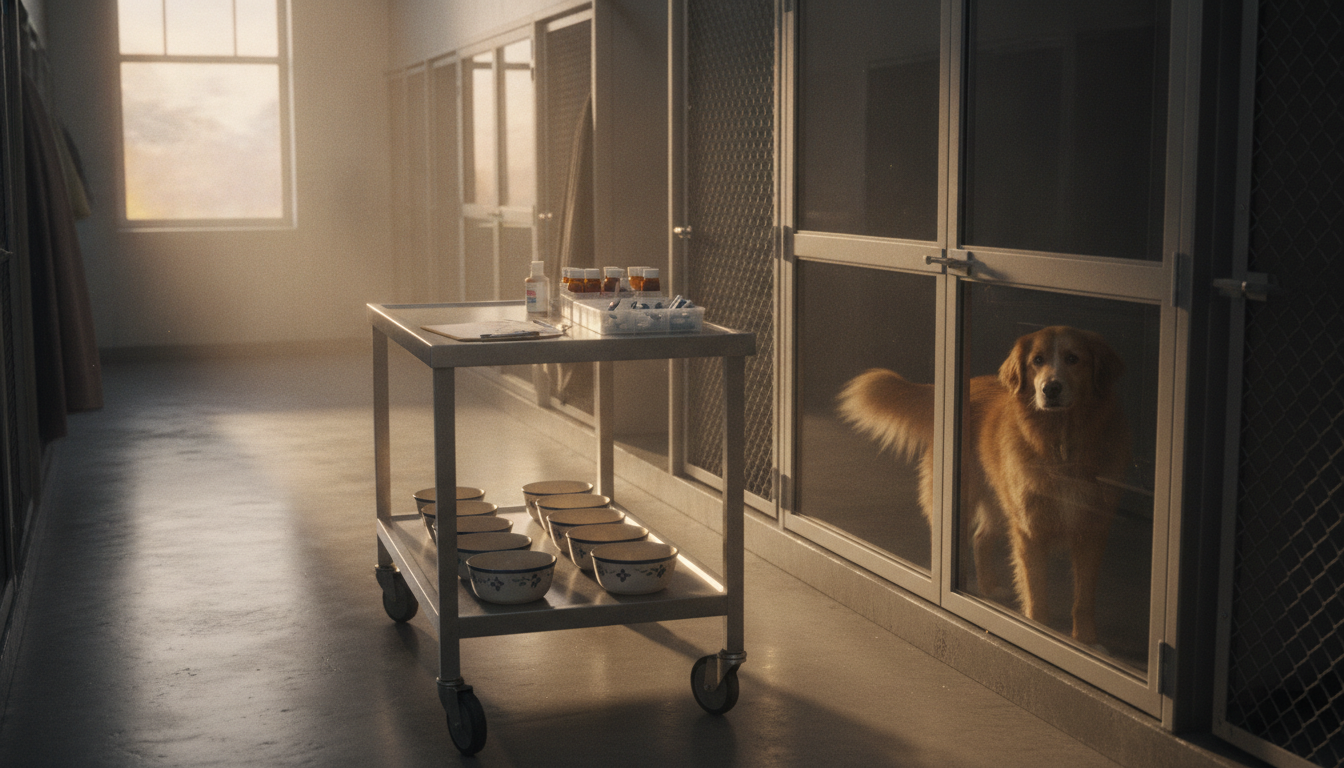
Every day starts the same way, because the animals don’t care what’s on the calendar. Feeding rounds, water, medication charts. The dog on heartworm treatment gets his dose and his enforced rest. The intake from last week gets her wound checked and rewrapped. Somebody’s not eating, and that gets written down, because in recovering dogs, a skipped meal is data.
Then the messages from overnight: hotline voicemails, emails, tags from people who saw something and said something. Morning triage sorts them into three piles. Emergencies that need action today. Situations to monitor or refer to animal control. And updates on open cases, the neighbor checking back in about the dog down the street.
Midday: the vet runs
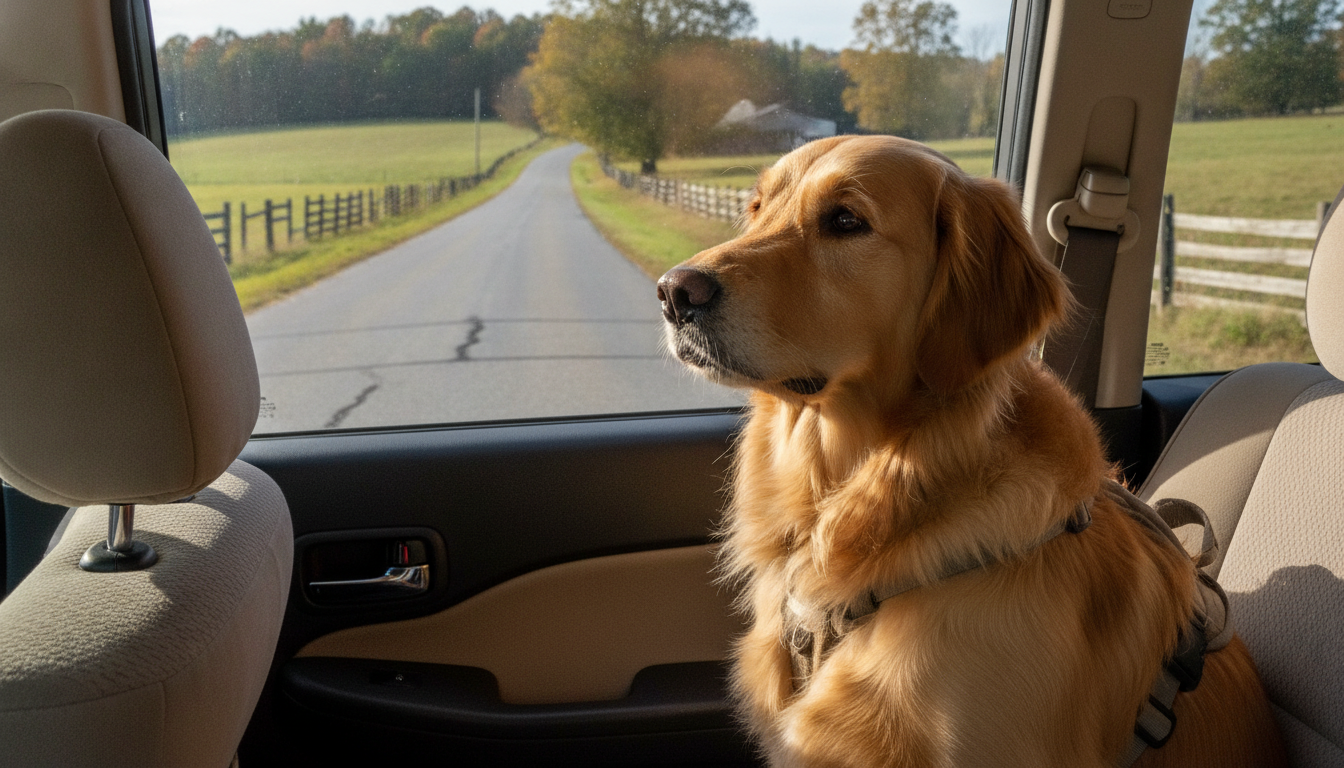
If mornings belong to the animals in our care, middays belong to the ones becoming our care. Transport to and from clinics is a daily fixture of animal rescue operations. Spay and neuter appointments, follow-up X-rays, the intake exam for a dog that came off a cruelty case two counties away.
This is where our emergency veterinary partnerships turn from a nice phrase into a lifeline. A rescue without vets who trust it, prioritize its emergencies, and work with it on cost isn’t really a rescue. It’s a holding pen. The invoices from these middays are also why donations go to medical care first. No exceptions, because the dogs don’t come with exceptions.
Afternoon: fosters, casework, and the paper mountain
Afternoons are people work. Foster check-ins: how’s the new placement sleeping, is the resource guarding softening, does anyone need supplies. Adoption applications get read and references get called, because honest matching is the difference between an adoption and a return.
And then the part nobody romanticizes: documentation. Intake records, medical histories, cruelty case evidence packets for pending charges, registration renewals, thank-you notes. Skip the paperwork and you lose the court case, the grant, or the medical history that the next vet needs at 9 p.m. on a Sunday.
Rescue is a paperwork business that happens to smell like dogs.
Evening: the phone decides
Some evenings end on time. Then there are the others. A dog hit by a car and left. A hoarding situation that animal control needs placement help with tonight. A hotline call, (844) 728-2729, that can’t wait for morning. Emergencies don’t schedule themselves inside business hours, and the capacity to say yes at 8 p.m. is exactly what donors build when they give monthly instead of once.
That’s the honest shape of a day. Not one dramatic rescue, but forty small completions that keep every current dog healing and leave room for the next one.
Where you fit in animal rescue operations
Look back through that schedule and you’ll find a person-shaped hole in every block.
Give hours
- Morning rounds need volunteers
- Midday needs transport drivers
- Afternoons need foster homes, the most valuable role in rescue
Give fuel
- Every block of animal rescue operations costs something
- Food, fuel, medication, vet care
- Monthly giving is what makes “yes at 8 p.m.” possible
Saving A Paw isn’t a moment we have. It’s a day we run, every day, and it belongs to the people who keep it running.