
Ask anyone who works intake at a shelter what their hardest season is and you’ll get the same answer. Summer. The calls multiply, the kennels fill, and the spreadsheet of animals waiting for placement gets longer every week. The surge of stray dogs in summer isn’t bad luck. It’s a pattern with predictable causes, and understanding them is the first step to shrinking the problem.
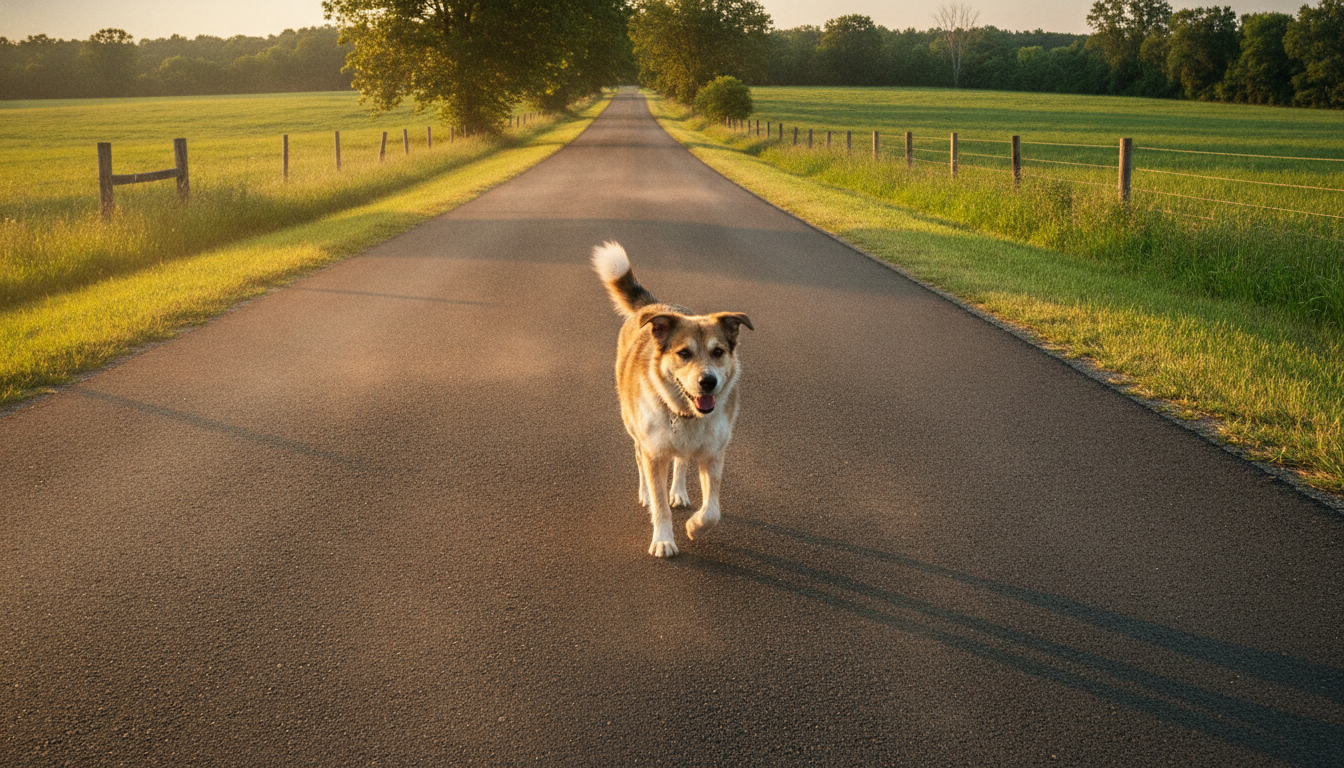
Stray dogs in summer: the 4 causes
1. Breeding season catches up
Dogs and cats bred in late winter and spring produce litters that hit the ground, and the streets, by early summer. Unaltered animals roaming in search of mates also travel farther from home, which turns a backyard escape into a missing dog three neighborhoods away. National organizations like the ASPCA have tracked summer intake spikes at shelters for years, and the underlying driver is always the same: unspayed and unneutered animals.
2. Fireworks and thunderstorms
More dogs go missing around July 4 than almost any other time of year. A panicked dog can clear a fence it has respected its whole life. Summer thunderstorms do the same thing on a smaller scale, week after week.
3. Heat pushes animals to roam
Dogs left outside with inadequate water or shade will do what survival requires: dig out, slip a collar, break a tether, and go looking for what they need. Some of the stray dogs in summer pickups aren’t lost pets at all. They’re neglect cases that walked away from the neglect.
4. Abandonment rises with moving season
Summer is peak season for relocations, evictions, and lease turnovers, and animals are too often left behind when life gets chaotic.
What rescue response actually looks like
When a stray comes in, the public sees the happy ending photo. Here’s the middle part.
First, every animal gets scanned for a microchip and checked against lost pet reports, because the best outcome for a lost dog is going home. Second comes a medical evaluation, and summer strays arrive with a signature set of problems: dehydration, heat stress, fleas and ticks, heartworm exposure from a season of mosquito bites, and paw pad damage from hot pavement. This is where our emergency veterinary partnerships carry the load, and where most of the cost lives. If you’ve ever wondered why a “free” stray costs a rescue hundreds or thousands of dollars, we’ve broken down the true cost before.
Third, and this is the bottleneck nobody talks about: placement. A rescue’s real capacity isn’t its heart. It’s its foster homes. Every summer, the limiting factor on how many stray dogs we can take isn’t willingness. It’s available couches, crates, and fenced yards.
A rescue’s real capacity isn’t its heart. It’s its foster homes.
How you can bend the curve
Once you understand what drives stray dogs in summer, the fixes get obvious.
- Fix your animals, and help your neighbors fix theirs. Spay and neuter is the single highest-leverage act in all of animal welfare. Nothing else comes close.
- Secure your dog before the boom. Before fireworks or storms: leash, secure fencing, updated ID tags, and a registered microchip. A microchip turns a two-week shelter stay into a two-hour reunion.
- Don’t look away from the “stray” that isn’t. If you see a dog that’s clearly been living on a chain or in a pen without care, that’s not a stray problem. That’s a neglect problem. Call our Animal Abuse Hotline at (844) 728-2729.
- Become the bottleneck’s solution. One foster home added in June changes the math for the whole summer.
Saving a paw starts long before the happy ending photo. For the stray dogs in summer heat right now, it starts with the people who make the middle part possible: the fosters with a spare room, the donors who fund the medicine and the transport, and the neighbors who make the call.