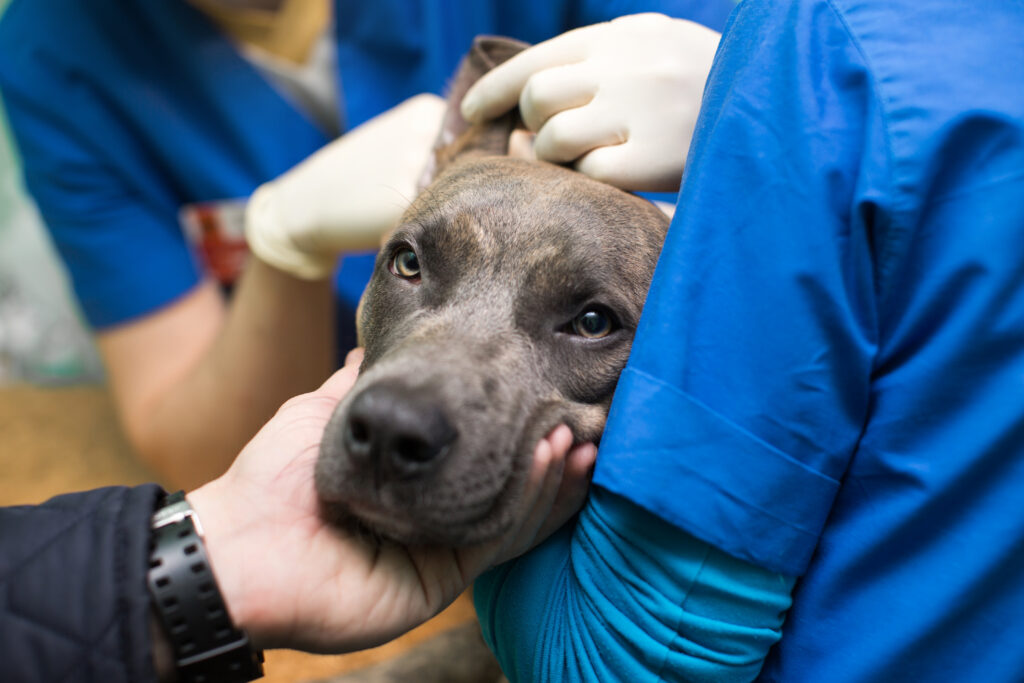
Animal abuse intervention is rarely predictable. Reports may arrive at any hour, often describing conditions that have developed over weeks, months and even years. By the time a case reaches authorities or rescue partners, the dog involved may already be suffering from untreated medical conditions including sever dehydration, infection, or trauma. Immediate action is critical, yet intervention requires resources that must already be in place.
At Wounded Paw Project, animal abuse intervention begins long before a dog is physically removed from a harmful situation. It begins with readiness that depends directly on donor support.
Why Timing Matters in Animal Abuse Intervention
Veterinary research consistently shows that delayed treatment increases both mortality risk and long term complications in neglected animals. Malnutrition weakens immune response. Untreated wounds can progress to systemic infection. Parasites multiply rapidly. Fractures that are not stabilized early may heal improperly, leading to chronic pain or permanent disability.
Animal abuse intervention is therefore not simply a rescue event. It is a medical emergency response.
When a report is verified and authorities authorize removal, the following often happens within the first 24 to 72 hours:
- Emergency transport from unsafe conditions
- Comprehensive veterinary examination and diagnostics
- Blood panels to assess organ function
- Imaging to identify fractures or internal injury
- Immediate medication for infection and pain
- Isolation if contagious disease is suspected
Each of these steps requires funding that cannot wait for a future fundraiser.
The Financial Reality of Immediate Intervention
Emergency veterinary intake is one of the highest cost phases of animal rescue. Diagnostic testing, medications, surgical procedures, and hospitalization can quickly reach thousands of dollars per case. If multiple animals are seized from a single location, costs multiply rapidly.
Animal abuse intervention requires more than compassion. It requires liquidity.
Nonprofits that lack emergency reserves may be forced to delay intake or limit the number of animals they can assist. In severe cases, that delay can mean prolonged suffering or death. Donor contributions eliminate that barrier. When funds are available before crisis strikes, decisions can be made based on need rather than budget constraints.
Preserving Evidence and Protecting Legal Integrity
Animal abuse intervention also intersects with legal processes. Veterinary documentation frequently serves as evidence in cruelty investigations. Injuries must be examined, photographed, and medically assessed in a timely manner. Delay may compromise the ability to establish a timeline of neglect or severity of harm.
Early funding supports immediate veterinary documentation, which strengthens accountability efforts. Without that documentation, cases may be more difficult to prosecute.
This is an often overlooked dimension of donor support. Financial readiness does not only aid the animal. It also reinforces community standards against cruelty.
Stabilization Before Rehabilitation
Immediate intervention is focused on stabilization, not full recovery. The primary goal during the first phase is to preserve life and prevent further deterioration. Dogs rescued from abuse may require fluid therapy, nutritional management plans, and careful reintroduction to feeding to avoid refeeding syndrome. Severe dental disease may necessitate extractions. Skin infections may require medicated bathing protocols and antibiotics.
Only after stabilization can long term rehabilitation begin.
Animal abuse intervention therefore has two distinct financial phases. The first is acute emergency care. The second is extended recovery. Without adequate funding for the first phase, the second cannot occur.
Community Reporting Depends on Organizational Readiness
Community members who report suspected abuse assume that action will follow. When donors contribute to animal abuse intervention efforts, they reinforce a system that allows those reports to lead to tangible outcomes.
If an organization must respond to reports with uncertainty due to financial limitations, trust erodes. Donor support creates credibility. Law enforcement agencies and veterinary partners are more likely to collaborate efficiently when they know that costs will be covered.
Preparedness builds networks. Networks strengthen intervention capacity.
The Ethical Responsibility of Rapid Response
Animal welfare ethics emphasize minimizing suffering. When abuse is substantiated, rapid removal and treatment align with that ethical standard. Financial instability introduces delay, and delay conflicts with that principle.
Your donation supports ethical action. It allows decisions to prioritize animal welfare rather than financial feasibility.
Research in nonprofit management consistently shows that organizations with designated emergency funds demonstrate higher responsiveness during crisis events. In animal rescue contexts, responsiveness directly correlates with survival and recovery outcomes.
From Crisis to Safety
Once a dog is stabilized, safe placement must follow. Foster care, boarding, specialized equipment, and behavioral evaluation require additional support. Some dogs may need temporary isolation due to infectious disease. Others may need quiet foster environments due to trauma.
Animal abuse intervention does not end when the dog leaves the property where abuse occurred. It transitions into protective care.
Donor funding ensures that safe placement is not improvised but intentional and medically appropriate.
Sustained Giving Creates Operational Stability
One time donations are meaningful, but sustained giving transforms intervention capacity. Recurring contributions allow organizations to:
- Maintain emergency veterinary partnerships
- Authorize diagnostics without delay
- Cover transport and boarding costs
- Allocate funds toward cruelty case documentation
Predictable revenue reduces hesitation. When hesitation is removed, response time improves.
Animal abuse intervention depends on that consistency.
The Broader Impact of Immediate Funding
Every successful intervention sends a message. It communicates that cruelty will not be ignored and that communities are willing to support protective action. It also prevents compounding harm. Early treatment reduces long term medical costs, shortens recovery timelines, and increases adoptability.
When donors invest in animal abuse intervention, they reduce suffering at its earliest point. They transform reports into action. They convert concern into measurable protection.
At Wounded Paw Project, immediate intervention is possible because donors make readiness possible.
Animal abuse intervention cannot wait for public attention. It cannot depend on reactive fundraising. It requires foresight, planning, and financial support that exists before the emergency begins.
Your contribution ensures that when the next call comes in, the answer is yes.